Exploring Greater China's Startup Ecosystem: My Journey Through Hong Kong and Shenzhen

As I prepare to begin my first full-time role as a venture capitalist in Germany this February, I wanted to take the chance to explore one of the world's most dynamic and influential markets: Greater China. My passion for Asian cultures and past experiences in Shanghai/Suzhou, and Singapore have inspired me a lot, but this time, I set my sights on two places I hadn't yet explored: Hong Kong and Shenzhen. The trip was a unique blend of immersing myself in Chinese culture, enjoying the warmth of its climate, and diving into the intricacies of its startup ecosystem.
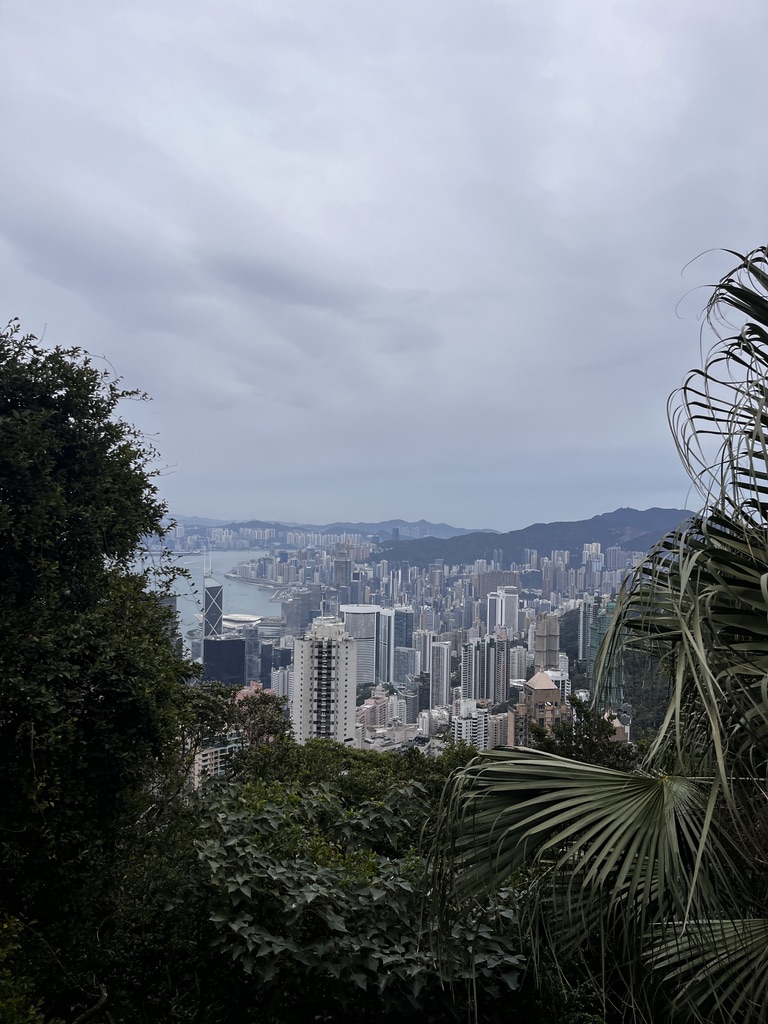
Hong Kong captivated me with its unique energy—a city of dense, organized chaos surrounded by natural beauty, from islands to mountains, complemented by an incredible food scene. Shenzhen, often referred to as China's Silicon Valley, was equally impressive with its sprawling technology malls and status as one of the fastest-growing cities in the world. Both cities offered invaluable insights into the entrepreneurial spirit and innovation driving the region.
During my journey, I had the privilege of meeting with a diverse group of individuals, including serial founders, venture capitalists, and startup advisors. Each of them shared a bold vision and an unmatched drive to achieve it. Although I couldn't meet everyone I had planned to, the inspiring conversations I had with Sam Ng, Warren Li, Yannick Mahé, Samuel Demarais, and George Spark from companies for example like Google, Meta and smaller startups provided me with ample material for reflection.
Here are my 10 main takeaways from this experience:
1. Investment Dynamics Between the US and China
Major American investors in China have traditionally operated through dual venture arms—RMB and USD funds—while aiming for exits through SPACs in the US. However, US investors are increasingly withdrawing due to the presence of numerous Chinese companies in the American public market and concerns from US-based limited partners.
2. Opportunities for European Investors
With the US capital retreating, European investors have a unique opportunity to step in. The pressure from the US on Europe to distance itself from China underscores the need for a strong Europe to assert its independence and invest in China. Especially by offering access to European markets, they can provide substantial growth potential and even higher returns.
3. Information Inefficiencies
There's a wealth of untapped potential between the Chinese market and Western countries due to information inefficiencies. Let's explore two angles: one on the Chinese market and one on the European market. Investors willing to navigate this landscape can uncover substantial opportunities.
4. From Copycat to Novelty
China has long been known for excelling in developing and optimizing existing products through intense competition. However, today, entrepreneurs are increasingly driving the leap from 0 to 1. Younger generations in China are beginning to embrace failure as a natural and valuable part of the entrepreneurial journey. This cultural shift signifies growing risk tolerance and a move away from the traditional focus on academic correctness.
5. Gradual Openness to Foreigners
The startup ecosystems in Greater China, though still evolving, are gradually becoming more accessible to international entrepreneurs and investors. This shift highlights a promising trend toward global collaboration, exemplified by initiatives like the 15-day visa-free entry for European countries such as Germany and France.
6. Strategic Focus on Non-Critical Technologies
Foreign startups and investors should avoid critical infrastructure and data-intensive technologies to minimize potential regulatory obstacles. Instead, they should focus on consumer goods, green technologies, manufacturing technologies, and other areas that are less likely to face regulatory challenges.
7. Hong Kong as the Gateway to China
Hong Kong remains an essential entry point for international companies looking to tap into the Chinese market. While its domestic market is limited, industries like fintech, web and proptech thrive here.
8. Shenzhen's Rapid Innovation
Shenzhen stands out as one of the quickest-moving cities in China, with its vast technological hubs and culture of relentless innovation.
9. Challenges in Navigating China
The cultural and language barriers, coupled with limited access to networks and infrastructure, make navigating China's complexities a significant challenge for outsiders.
10. The Rising Potential of Southeast Asia
Alongside China, Southeast Asia offers exciting opportunities. Vietnam, in particular, stands out for its entrepreneurial energy and "hustler mentality," often surpassing other markets like Indonesia.
This journey has reinforced my belief that China, despite its growing complexity, continues to hold immense potential for those willing to invest the time to understand its nuances. As the global narrative around China shifts, so too do the opportunities for bold and innovative investors.
I am incredibly grateful for this insightful experience!
Cheers, Niklas